
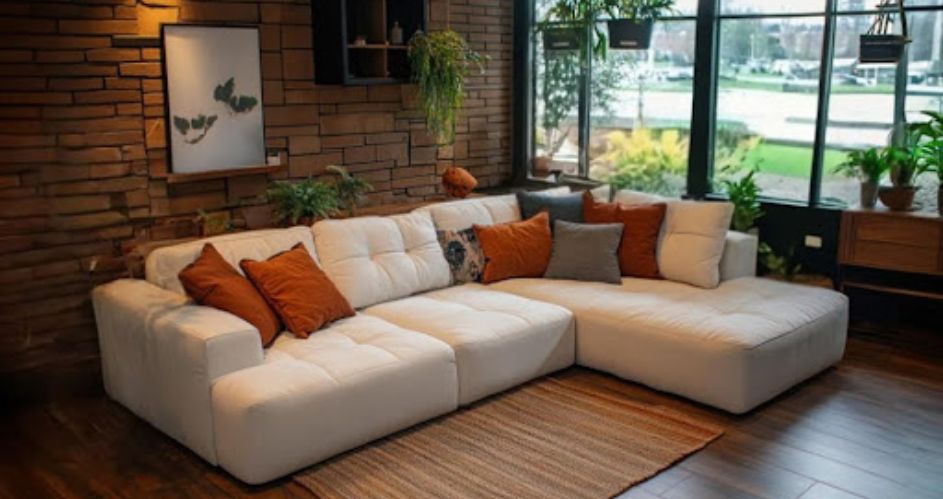
Creating a stylish and comfortable home isn’t just about buying beautiful furniture. Even high-quality pieces can look out of place if they’re styled incorrectly. Many homeowners unknowingly make simple design mistakes that affect the overall look and feel of their space.
If you’re planning to upgrade your living room or invest in new lounges in Perth, avoiding these common home styling errors will help you create a balanced and inviting home.
Mistake 1: Choosing Furniture that is Too Large or Too Small
Selecting furniture that does not suit the size of the room is one of the most common styling errors. Oversized sofas, tables, or chairs can make smaller rooms feel cramped, while small furniture in larger spaces can appear lost and disconnected.
Effective Solutions to Avoid This Mistake
- Measure your rooms before purchasing furniture to know what will fit comfortably.
- Choose furniture pieces that match the size of the space and allow easy movement.
- Keep clear walkways to make the room feel open and accessible.
- Focus on balance to make the room functional, comfortable, and visually appealing.
Mistake 2: Ignoring the Flow of the Room
Poor traffic flow occurs when furniture is placed without thinking about how people move around a room. This can make spaces feel cramped and awkward, causing daily activities to be inconvenient. For example, placing a coffee table too close to a sofa or blocking a doorway can disrupt movement and make the room uncomfortable to use.
Effective Solutions to Avoid This Mistake
- Plan the room layout before moving furniture to see how people will walk through the space.
- Keep entry points and pathways clear to allow easy access to all areas.
- Avoid placing furniture too close together or blocking doors and windows.
- Aim for a flow that feels open, practical, and comfortable for everyday living.
Mistake 3: Overcrowding with Too Many Items
Filling a room with too many furniture pieces or decorative items can make it feel cluttered and chaotic. This can make moving around the room difficult, create visual confusion, and reduce comfort. Too much furniture or decor can overwhelm the space and make it feel smaller than it really is.
Effective Solutions to Avoid This Mistake
- Limit the number of furniture and décor items in each room.
- Leave open space around furniture to allow easy movement and a relaxed feel.
- Select pieces that serve both functional and decorative purposes.
- Avoid over-accessorising; choose quality over quantity.
- Include versatile furniture such as modular lounges, coffee tables, and storage units to combine style and practicality without overcrowding the room.
Mistake 4: Using Colour Poorly
Using too many bold or conflicting colours can make a space feel chaotic, while relying only on neutral shades may make it look dull. Colour affects the mood and cohesion of a room, so poor choices can make the space uncomfortable or visually unbalanced.
Effective Solutions to Avoid This Mistake
- Choose a balanced colour palette with soft neutrals as the base and a few complementary accent colours.
- Layer colours thoughtfully to prevent the room from feeling flat or mismatched.
- Use accent pieces like cushions, rugs, or artwork to introduce colour gradually.
- Avoid using too many contrasting shades in the same space.
Mistake 5: Neglecting Storage Solutions
Lack of storage can lead to cluttered and disorganised spaces. Without proper storage, everyday items can accumulate on surfaces and floors, making the room feel untidy and reducing its functionality.
Effective Solutions to Avoid This Mistake
- Include smart storage options such as cabinets, shelves, or bed frames with built-in storage.
- Keep frequently used items accessible while storing less-used items out of sight.
- Ensure storage solutions match the style and colour scheme of the room.
- Choose furniture that doubles as storage, like side tables with compartments.
Mistake 6: Improper Use of Accessories
Accessories such as cushions, rugs, artwork, and lighting can enhance a room, but overusing them or placing them incorrectly can make the space look messy or overwhelming. Poor accessory choices can distract from the overall design and create imbalance.
Effective Solutions to Avoid This Mistake
- Select accessories that complement the furniture and overall colour palette.
- Use a few key items to create focal points rather than overcrowding the space.
- Rotate or update accessories seasonally to refresh the room’s look.
- Position artwork, lighting, and decor strategically to highlight important areas.
Mistake 7: Ignoring Long-Term Flexibility
Home styling solely based on short-term trends can make it feel outdated quickly. Furniture that is inflexible or layouts that cannot be adapted may require frequent replacements, which is costly and inconvenient.
Effective Solutions to Avoid This Mistake
- Choose classic furniture pieces that remain stylish over time.
- Use flexible decor items such as cushions, rugs, or artwork for easy updates.
- Avoid heavily trend-focused purchases that may quickly feel outdated.
- Plan rooms so they remain functional, comfortable, and visually appealing for years.
Conclusion
Avoiding these common home styling mistakes can greatly improve the comfort, function, and appearance of any space.
By carefully planning furniture size, layout, colour, storage, accessories, and long-term flexibility, rooms can feel organised, inviting, and visually appealing. Thoughtful styling is about more than appearance as it creates spaces where everyday life feels easier, more enjoyable, and genuinely welcoming.

